Blog
Expert Tips for Troubleshooting Common HVAC Problems at Home
One of the simplest troubleshooting steps for HVAC systems is to double-check the thermostat settings. It might sound basic, but many HVAC problems stem from incorrect thermostat programming. Ensure that your thermostat is set to the desired temperature, the fan setting is on “auto” or “on,” and the system is on the correct mode, either “heat” or “cool.” If you have a smart thermostat, make sure it’s connected and updated.
Always remember to inspect the air filters regularly, as they play a crucial role in the efficiency of your HVAC system. Clogged or dirty air filters can restrict airflow, making your unit work harder and potentially causing it to overheat or freeze up. It’s a good practice to check and change your filters every month, especially during peak usage times.
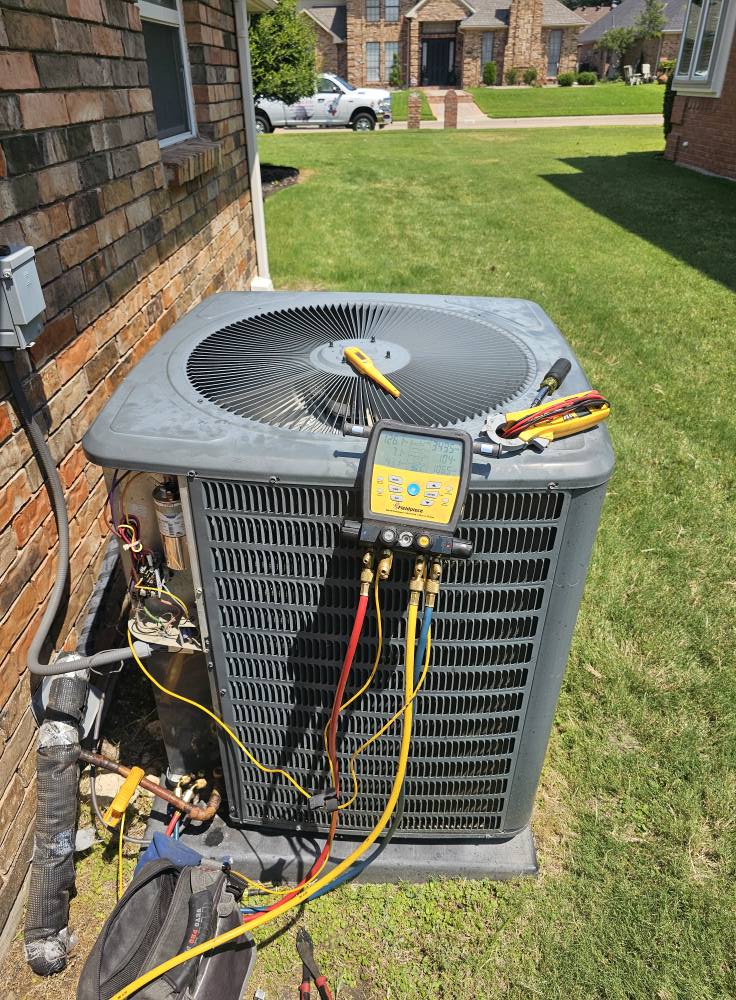
If your HVAC system isn’t heating or cooling as effectively as it should, take a look at the outdoor unit. Clear away debris, leaves, and grass clippings that might obstruct airflow. Make sure there’s at least two feet of clear space around the unit. A simple wash with a garden hose can remove accumulated dirt and dust on the unit’s fins, improving its efficiency significantly.
Strange noises such as banging or rattling can indicate loose or broken parts within the system. This might be something you could address if the problem is superficial, like tightening a loose panel. However, more complex issues like a failing motor or blower warrant a professional inspection from an expert at Big Kountry Air.
Foul odors are another red flag signaling HVAC troubles. A musty smell could point to mold growth in the ducts, while a burning smell might suggest overheating electrical components. For safety, turn off your system and consult a professional if these odors persist.
Check the circuit breaker if your system isn't turning on at all. Sometimes, the issue could simply be a tripped breaker. Resetting it might restore power to your HVAC system. However, frequent trips may indicate an underlying electrical issue that requires attention from a trained technician.
Finally, maintaining a regular preventative maintenance schedule with Big Kountry Air can prevent many common HVAC problems from arising in the first place. During these tune-ups, professionals can identify and address minor issues before they turn into costly repairs, ensuring your system runs efficiently and prolonging its lifespan.
While DIY troubleshooting can address minor problems, it’s vital to acknowledge when to call in a professional. Complex issues require the expertise that only certified HVAC technicians can provide. By following these tips, you can keep your HVAC system in top shape and enjoy a comfortable home environment all year long. Remember, Big Kountry Air is always here to help with any HVAC needs!